
Unknown female person silhouette

Domestic Violence Story

October is Domestic Violence Awareness Month. Content warning: this story includes details of abuse.

Jane (not her real name) works in the medical field and is a devoted mom to six children. She works hard, loves dancing, and has a passion for interior design and decorating. She is also a domestic violence survivor.

Late one night, shortly after Jane had left an abusive relationship, her abuser showed up at her new apartment. He loudly demanded entry. “I was afraid he would wake my children,” she says, so she answered the door. He instantly grabbed her by the hair and dragged her out of the apartment, threatening to kill her. She was then forced her into her car and told her to start driving.

Trapped at gunpoint in a car going 60 miles per hour on Interstate 581, Jane didn’t know what to do. Her abuser then started shooting. She leapt from the vehicle and tumbled onto the road, skinning her whole body. Fueled by adrenaline, she thought only of reaching her children to protect them. She flagged down a passing car and asked the driver to drop her off at her apartment. Only once she got back home did she realize the extent of her injuries. 

Tremendous pain radiated through her ankle, back, and wrist. She spent the next week in the hospital recovering. Jane needed crutches when she left. 

Jane seeks help from TAP’s Domestic Violence Services

While Jane was in the hospital, her mom called TAP’s Domestic Violence Services (DVS) hotline and connected Jane with the program. Jane told DVS staff her concerns—particularly the safety of her children—and together they formed a plan. 

Since it was not safe for them to come to the hotel where she was staying, Jane’s children stayed with another relative while she recovered. 

During that time, she learned that her vehicle had been found, crashed, with its windows shot out. Her abuser had not been found. While she waited, hoping to hear news of his arrest, TAP staff arranged for her to visit her children at Sabrina’s Place—a secure safe exchange facility that is guarded by off-duty Roanoke police officers and designed to protect against violent abusers. 

Before Jane learned her abuser had been arrested, DVS staff had already helped her move into a new apartment. They also helped her make it safe by installing cameras. They continued to support her through the initial court process, and when her abuser came up for early parole. 

TAP has continued to be part of Jane’s support network—but her journey has just begun.

Jane is an incredible person with a bright future ahead of her. She advises others who are suffering domestic violence that they shouldn’t hesitate to find help. “Be concerned about your safety,” she tells others, “and make sure you are getting support.” Reflecting on her time working with TAP, she says, “I feel like I am getting my self-confidence back.”

If you need help

Our staff are available 24/7 by hotline, so please call/text us any time at (540) 580-0775 for emergencies, or (540) 283‑4813 during the daytime. 

Job training

OnRamp: Connecting People with Careers

Mary (not her real name) wanted to rebuild her life after escaping domestic violence. She had a safe place to stay with a friend, but she needed a new start in her career. She also needed a safe, permanent home for her family. Mary reached out to the Virginia Career Works Center for job-training assistance. They referred her to the Onramp program.

Helping Mary navigate her choices

The Virginia workforce system has a lot of career-training programs and services, and maneuvering through the system can be difficult. Onramp provides a personal navigator to each client. This person guides clients and refers them to supportive services. Mary’s navigator referred her to TAP’s Domestic Violence Services, where she received case management and group counseling. Her TAP-DVS case manager helped her set a goal of getting a job in healthcare. Mary applied to a nurse aide training program.

Mary receives extra support through her career training

While Mary was in the training program, her Onramp navigator connected her with Feeding Southwest Virginia. They helped her contact the local Department of Social Services office to apply for SNAP benefits. Onramp also helped Mary with transit costs, so she could get to her classes. After gaining her Certified Nursing Assistant (CNA) certification, Mary got a job in a nursing home.

When a person is working to rebuild their life, gaining employment is only one step in the process. Referrals to supportive services play a key role in their success. The additional services Mary accessed with the help of the Onramp program allowed her to begin to build a stable life.

For more information or to sign up for a class, call 540.767.6204

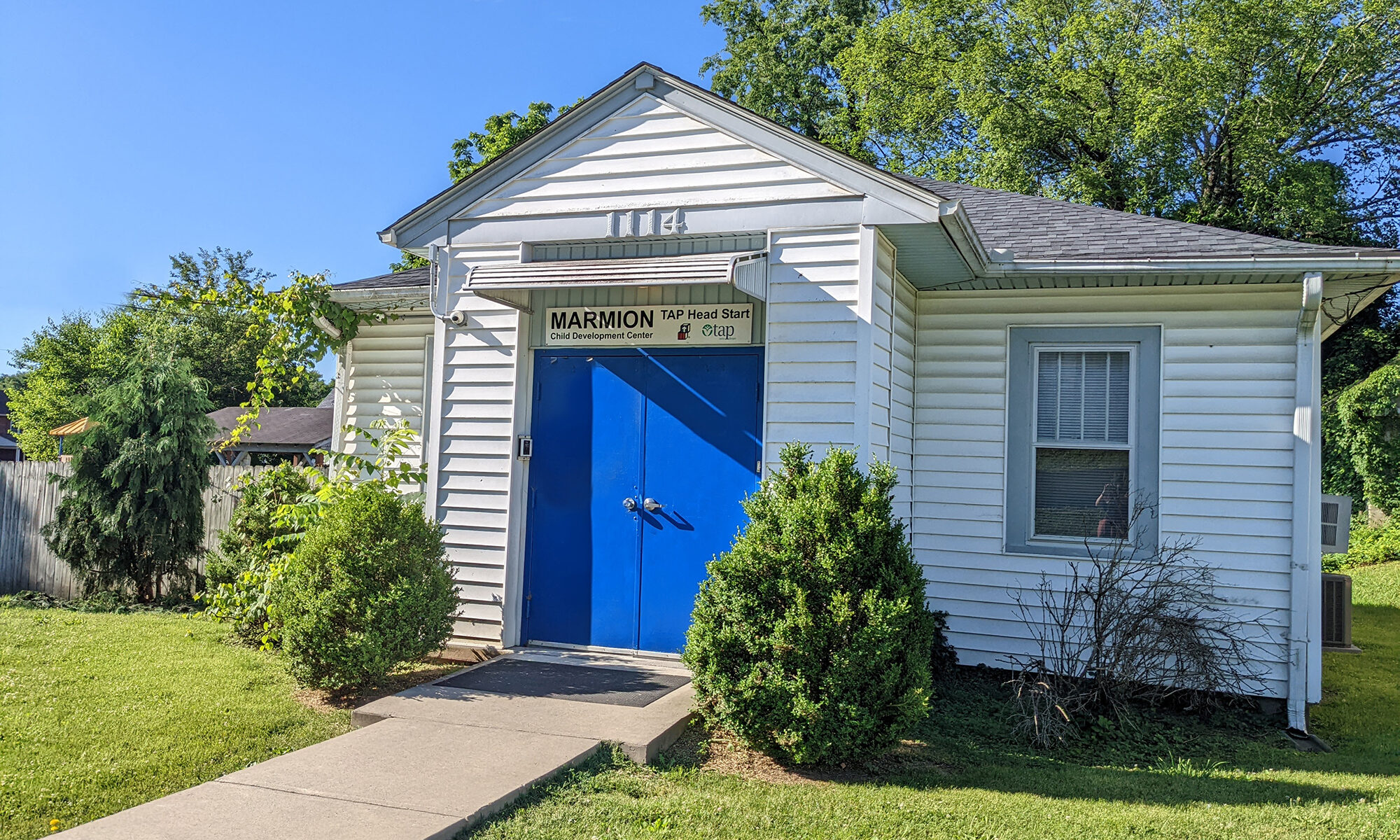
Small white building with blue doors

TAP History: Who is Bishop Marmion?

The Impact of Bishop Marmion

William H. Marmion had a vision to unite the diocese. His legacy lives on today through our Bishop Marmion Head Start Center. 

An Advocate for Social Justice

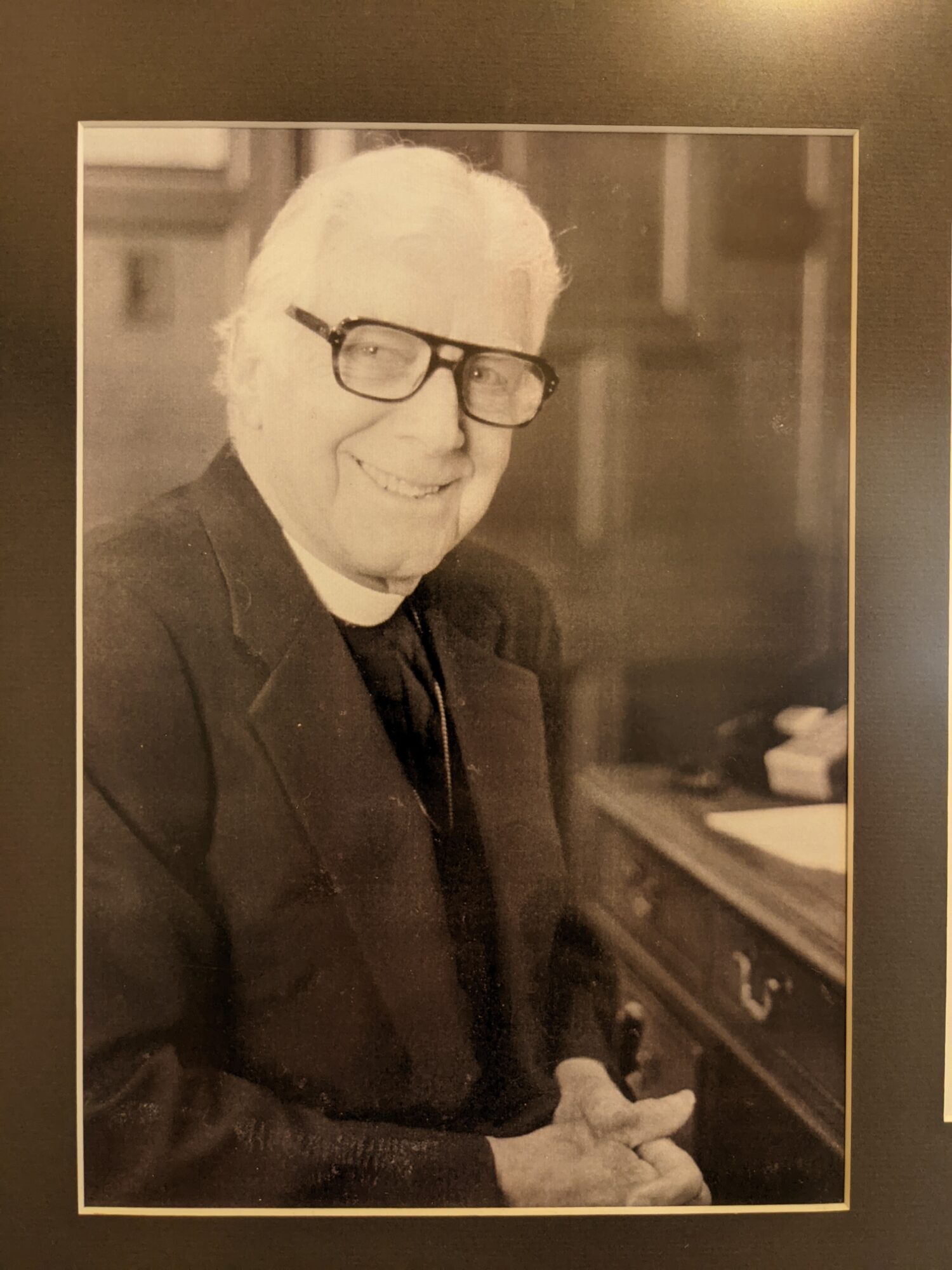
Bishop Marmion

As bishop of the Episcopal Diocese of Southwestern Virginia from 1954 to 1979, Bishop Marmion joined the civil rights movement. Specifically, he had hopes of integrating the Episcopal Church. “He was very proactive in addressing the racism that had infected at least the denomination of the Episcopal Church,” says Ted Edlich, a friend of Bishop Marmion and former president of TAP. “He was a great guy.”

Bishop Marmion was a loyal supporter of a number of social movements. He was particularly passionate about the equal treatment of youth in the diocese and the right to an education, no matter one’s skin color. While many resisted the desegregation of Virginia’s public schools, Bishop Marmion embraced the change. He attempted to create an integrated youth center and conference for young Episcopalians. However, his efforts caused division among his diocese, forcing his work to be put on pause.

Bridging the Divide

After many years and the bishop’s patient persistence, the division was finally overcome. The integrated youth center opened, and the diocese hosted the youth conference. By the time of Bishop Marmion’s retirement in 1979, his dream of integrating the churches of the diocese had come true.

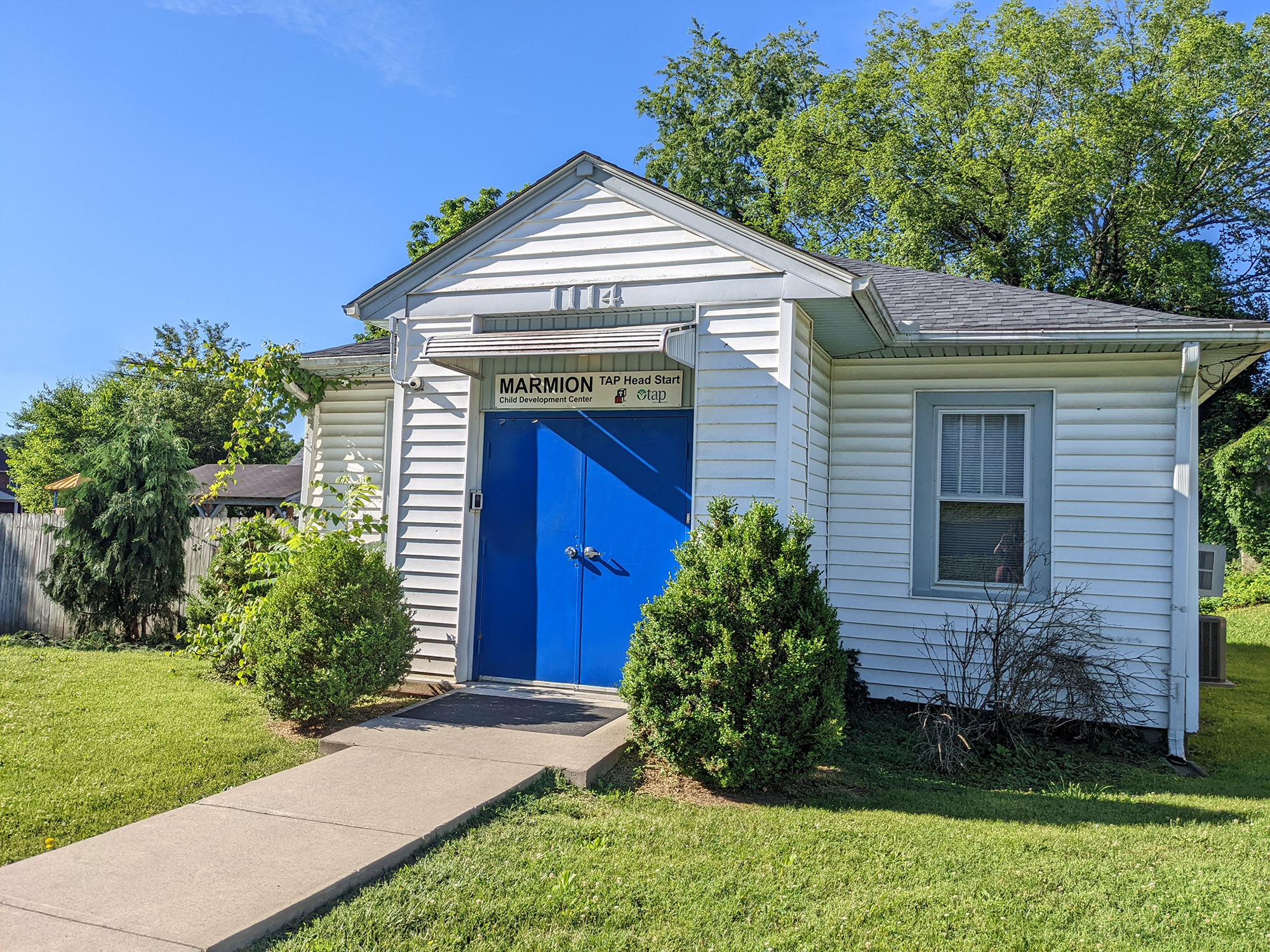
In fact, a building that housed one of the diocese’s Black congregations is now a TAP Head Start center. It was named the Bishop Marmion Head Start Center in honor of his inspirational fight for the integration of the Episcopal Church and equal treatment of all youth.

Small white building with blue doors

A Proud History

The Head Start center isn’t Bishop Marmion’s only connection to TAP. He also helped to create a training program for TAP employees. According to Ted, the program helped staff analyze how they “authentically dealt with each other,” especially when it came to social relationships and feelings toward each other. The training module was such a success that it gained national recognition.

TAP is proud to have such a close connection to Bishop Marmion, whose insight and passion made a lasting impact on our community. A plaque inside the Bishop Marmion Head Start Center features a quote from Presiding Bishop John Hines at the time of Bishop Marmion’s retirement: “His Christian charities outlived his severest critics.” We couldn’t have said it better ourselves.